An overactive sympathetic nervous system means your body stays locked in fight-or-flight when there is no threat in front of you. The common signs are a racing heart, shallow breathing, broken sleep, a clenched jaw and tension you cannot shake off. It is reversible. Slow breathing, grounding, magnesium, nutrient-dense food and deliberate pacing all move you back toward the parasympathetic state.
Signs of an overactive sympathetic nervous system
Sympathetic overload rarely announces itself as stress. It shows up as a collection of physical symptoms that seem unrelated to each other, which is why so many people live with it for years before anyone joins the dots.
Work through the table below. Three or more from two or more rows suggests your sympathetic nervous system is running the show.
| Where you feel it | What it looks like |
|---|---|
| Heart and chest | Racing heart, palpitations, shallow upper-chest breathing, a tight band across the chest |
| Sleep | Difficulty falling asleep, waking between 2am and 4am, waking unrefreshed after a full night |
| Digestion | Bloating, reflux, irregular bowels, appetite that swings between nothing and constant |
| Muscles | Tight shoulders and neck, tension headaches, aching jaw on waking |
| Mind | Racing thoughts, short fuse, difficulty concentrating, the wired and tired feeling |
| Mouth and teeth | Clenching, grinding, worn or cracked teeth, dry mouth, inflamed gums, a sour taste |
The sympathetic nervous system is responsible for the body’s “fight or flight” response and takes over in dangerous situations. The parasympathetic nervous system (PNS) is an autonomic nervous component responsible for the “rest and digest” response. Balance of these crucial systems is required to experience good health. Unfortunately, due to constant modern-day stress, many people experience an overactive nervous system, leading to digestive problems, sleep disturbances, and oral health issues. Simple lifestyle changes can help you bring balance to your nervous system and correct what is termed sympathetic overload.
Your two nervous system states: sympathetic and parasympathetic
The Autonomic Nervous System (ANS) is a complex network of nerves responsible for regulating the function of our organs and muscles. It is crucial for essential functions such as our heartbeat, digestion and breathing – all taking place without conscious thought.
The ANS is divided into two branches:
- The Sympathetic Nervous System (SNS)
- The Parasympathetic Nervous System (PNS)
The role of the sympathetic nervous system and its response to stress
Your sympathetic nervous system activity plays a critical role in balancing your body functions in response to stress, danger, or other stimuli. It is often referred to as the “fight or flight” system, as it prepares the body to react to perceived threats by increasing heart rate, dilating pupils, tightening muscles, and diverting blood away from the digestive system and towards the limbs. This rapid response is designed to help the body respond quickly and effectively to potential danger.
In everyday life, the sympathetic nervous system is activated by events such as public speaking, a deadline at work, or a tense conversation, even if the situation doesn’t pose an actual physical threat. This can lead to a state of chronic stress and overactivity of the sympathetic nervous system and have negative and long-lasting impacts on physical and mental health.
However, it is important to note the sympathetic nervous system is not inherently “evil,” and it serves a crucial function in the body’s defence mechanisms. Getting back into balance and reducing sympathetic overload can enhance your overall health and well-being.

Why parasympathetic activation matters
The parasympathetic nervous system operates in opposition to the sympathetic nervous system. The PNS is responsible for the “rest and digest” response, promoting the slowing down and calming of various physiological functions.
The PNS operates through the release of acetylcholine, a neurotransmitter, and activates various functions such as increasing the secretion of digestive juices, slowing the heartbeat and relaxing the muscles in the bronchial tubes and gut, among others. This system helps to conserve energy and promote relaxation and digestion.
Your ‘rest and digest’ nervous system plays a crucial role in maintaining homeostasis, or balance, within the body. In a healthy individual, the sympathetic and parasympathetic nervous systems work in harmony to regulate various functions, but in times of stress, the sympathetic nervous system may become dominant and cause an overloaded sympathetic system.
Six ways to calm an overactive nervous system
Excessive sympathetic overload is a state in which the sympathetic nervous system becomes excessively activated, leading to a prolonged state of stress.
With a highly active sympathetic nervous system, the body remains in a heightened state of stress, even in the absence of immediate danger. This can lead to a range of physical and emotional symptoms, such as:
- Digestive issues
- Dysregulated and disturbed sleep
- Anxiety and depression
- Fatigue and exhaustion
It can also have negative impacts on overall health and well-being, including oral health and cardiovascular health.
The goal is to find a balance between the activation of the two ‘opposing’ nervous systems, so the body can respond appropriately to stress while also allowing for rest, digestion, and healing. To mitigate the effects of an overactive nervous system, it is important to adopt strategies to promote relaxation and calm.
1. Breathe deeply with diaphragmatic breathing
Belly breathing, also known as diaphragmatic breathing, is a simple yet effective technique for balancing the PNS and promoting relaxation. Here’s how to do it:
- Find a comfortable position, either sitting or lying down.
- Place one hand on your chest and the other hand on your belly.
- Breathe in slowly through your nose, filling your belly first and then your chest.
- Hold your breath for a few seconds.
- Breathe out slowly through your mouth, deflating your belly first and then your chest.
- Repeat the process for several minutes, focusing on slow, deep breaths.
By engaging the diaphragm and breathing deeply into the belly, you stimulate the vagus nerve, which is part of the parasympathetic nervous system. This stimulation can help to slow down your heart rate, lower your blood pressure, and promote feelings of calm and relaxation.
2. Walking barefoot on natural surfaces can reduce sympathetic overload
Earthing, also known as grounding, involves connecting directly with the earth’s surface by walking barefoot on natural surfaces like grass, sand, or soil. This practice is believed to support your PNS by helping to bring stress levels down and promote relaxation.
The earth has a natural negative charge, and when you come into direct contact with it, you can absorb its electrons, having a balancing and grounding effect on your body.
In addition, studies have shown earthing can help to lower cortisol levels, the hormone associated with stress. It can also reduce symptoms of anxiety and depression, and improve sleep quality.
3. Soak in an epsom salt bath
Epsom salt is made up of magnesium sulphate, which is easily absorbed through the skin. Magnesium is known for its relaxing effects on the muscles and nervous system.
Soaking in an Epsom salt bath can also help to reduce inflammation and oxidative stress, which can disrupt the balance of the nervous system and contribute to feelings of anxiety and stress. Try incorporating the following practice into your routine:
- Fill a bathtub with warm water and add 2-3 cups of Epsom salt.
- Soak in the bath for 20-30 minutes, allowing your body to absorb the magnesium and sulphates in the Epsom salt.
- As you soak, try to focus on deep breathing.

4. Eat a nutrient-dense diet
A nutrient-dense diet can play a key role in supporting mood and reducing stress.
Here’s how:
- Adequate protein: Consuming enough protein is important for maintaining healthy neurotransmitter levels, the chemicals in the brain that regulate mood, sleep, and appetite.
- Essential fatty acids: Omega-3 fatty acids, are important for brain health and can help to reduce inflammation and improve mood.
- B-vitamins: B-vitamins are essential for the production of neurotransmitters and play a key role in maintaining healthy brain function.
- Vitamin C: Vitamin C is an antioxidant that helps to reduce oxidative stress and protect the brain from damage.
- Magnesium: Magnesium is a mineral essential for healthy brain function and can help to bring down stress and improve sleep.
- Probiotics: Probiotics are beneficial bacteria that help to maintain a healthy gut microbiome, which can impact brain health and mood.
5. Plan ahead and prioritise urgent tasks to reduce stress
It is not uncommon for individuals to find themselves in a state of heightened stress or anxiety as a result of feeling overwhelmed by the demands and responsibilities of daily life.
One effective strategy is to plan out tasks and allocate a specific amount of time for each one. This helps to take some of the pressure off and provides a more structured and focused approach. When planning, it is also important to prioritise activities based on urgency and importance, rather than attempting to tackle everything all at once.
By taking the time to prioritise tasks and activities, individuals can gain a clearer understanding of what needs to be done and when. This can help to reduce feelings of stress and anxiety and promote a more balanced and relaxed state of mind.
6. Consciously slow down during everyday activities
Slowing down and taking a more mindful approach to daily life can play a critical role in reducing stress and promoting a more relaxed state of mind.
One way to consciously slow down is by eating meals more slowly and savouring each bite. This allows for greater awareness and enjoyment of the food and supports proper digestion. Another way to slow down is by reducing the number of activities scheduled during weekends or other time off and focusing on rest and relaxation instead.
It’s important to note everyone’s experience of stress and sympathetic overactivity may be different, and what works for one person may not work for another. It’s important to listen to your body and find what works best for you, recognise when your sympathetic nervous system is dominating, and take steps to support the activation of the parasympathetic nervous system.
How to switch from fight-or-flight to rest-and-digest in five minutes
You cannot decide your way out of sympathetic overload. The switch is physiological, and it responds to physical inputs. These six steps take about five minutes and can be done anywhere.
Step 1. Lengthen your outbreath. Breathe in through your nose for a count of four and out for a count of eight. Repeat for two minutes. A long exhale is the fastest reliable way to signal safety to the vagus nerve.
Step 2. Hum, gargle or sing for sixty seconds. All three vibrate the muscles at the back of the throat, which stimulates vagal tone.
Step 3. Unclench your jaw. Let your teeth come apart, drop your shoulders and rest the tip of your tongue on the roof of your mouth behind your front teeth. This is where your jaw should sit at rest all day.
Step 4. Put your bare feet on grass, sand or soil for ten minutes. Contact with natural surfaces has been shown to reduce markers of sympathetic activity.
Step 5. Eat your next meal with no screen and chew each mouthful twenty to thirty times. Digestion only runs properly in the parasympathetic state, and slow chewing invites it.
Step 6. Move through one routine task deliberately slowly. Making a cup of tea, walking to the car, washing up. The nervous system reads pace as a safety signal.
What your mouth reveals about your nervous system
As holistic dentists, we see sympathetic overload before most people recognise it in themselves. The mouth keeps an honest record.
Flattened, chipped or cracked teeth point to night-time clenching and grinding, which is a sympathetic activity. Scalloped edges along the sides of the tongue suggest the tongue is being pressed against the teeth under tension. A dry mouth follows reduced saliva flow, because saliva production is a parasympathetic function that switches down under stress. Gums that bleed and stay inflamed despite good brushing reflect the raised cortisol that comes with chronic sympathetic activity.
This is why a dental examination at SHDC includes questions about your sleep, your breathing and your stress load. Treating a worn tooth without addressing the nervous system driving the grinding fixes the symptom and leaves the cause running.
Frequently asked questions
Q. What are the symptoms of an overactive sympathetic nervous system?
A. The most common symptoms are a racing or pounding heart, shallow chest breathing, difficulty falling asleep or waking in the early hours, digestive problems including bloating and reflux, tight shoulders and neck, tension headaches, jaw clenching and grinding, dry mouth, racing thoughts and irritability. Most people have several at once and treat them as separate problems.
Q. How do you calm an overactive nervous system?
A. Start with the breath. Breathing in for four and out for eight for two minutes activates the vagus nerve and shifts you toward the parasympathetic state. Follow it with humming or gargling, unclenching your jaw, ten minutes barefoot on a natural surface, a nutrient-dense meal eaten slowly, and one everyday task done deliberately slowly. Consistency over weeks matters more than intensity on any single day.
Q. What causes an overactive sympathetic nervous system?
A. Chronic psychological stress is the most common driver, along with poor sleep, mouth breathing and sleep-disordered breathing, blood sugar swings, excessive caffeine, over-training, screen exposure late at night, unresolved trauma, and nutrient deficiencies including magnesium. Ongoing dental infection and pain also contribute, which is why a dental review is worth including.
Q. Is there a medication for an overactive sympathetic nervous system?
A. Doctors sometimes prescribe beta blockers or other medications for specific cardiovascular symptoms of sympathetic overactivity. Medication treats the downstream effect and does not address the reason the system is activated. Any decision about medication belongs with your GP or specialist. The lifestyle and breathing approaches described here are used alongside medical care rather than in place of it.
Q. How long does it take to reset your nervous system?
A. A single breathing session shifts your state within minutes. Changing the baseline takes longer. Most people notice improved sleep and reduced tension within two to four weeks of daily practice, with more substantial change over three months. Progress is rarely a straight line.
Q. Can an overactive nervous system damage your teeth?
A. Yes. Sympathetic overactivity drives night-time clenching and grinding, which wears, chips and cracks teeth and strains the jaw joints. It also reduces saliva flow, and saliva is your main natural defence against decay and acid erosion. Raised cortisol increases gum inflammation. Treating the teeth without calming the nervous system means the damage returns.
Concerned your nervous system is showing up in your mouth?
A holistic dental examination at SHDC looks at your teeth, your jaw joints, your breathing and your saliva together, because they tell one story. Book a consultation at Sydney Holistic Dental Centre on (02) 9221 5800.
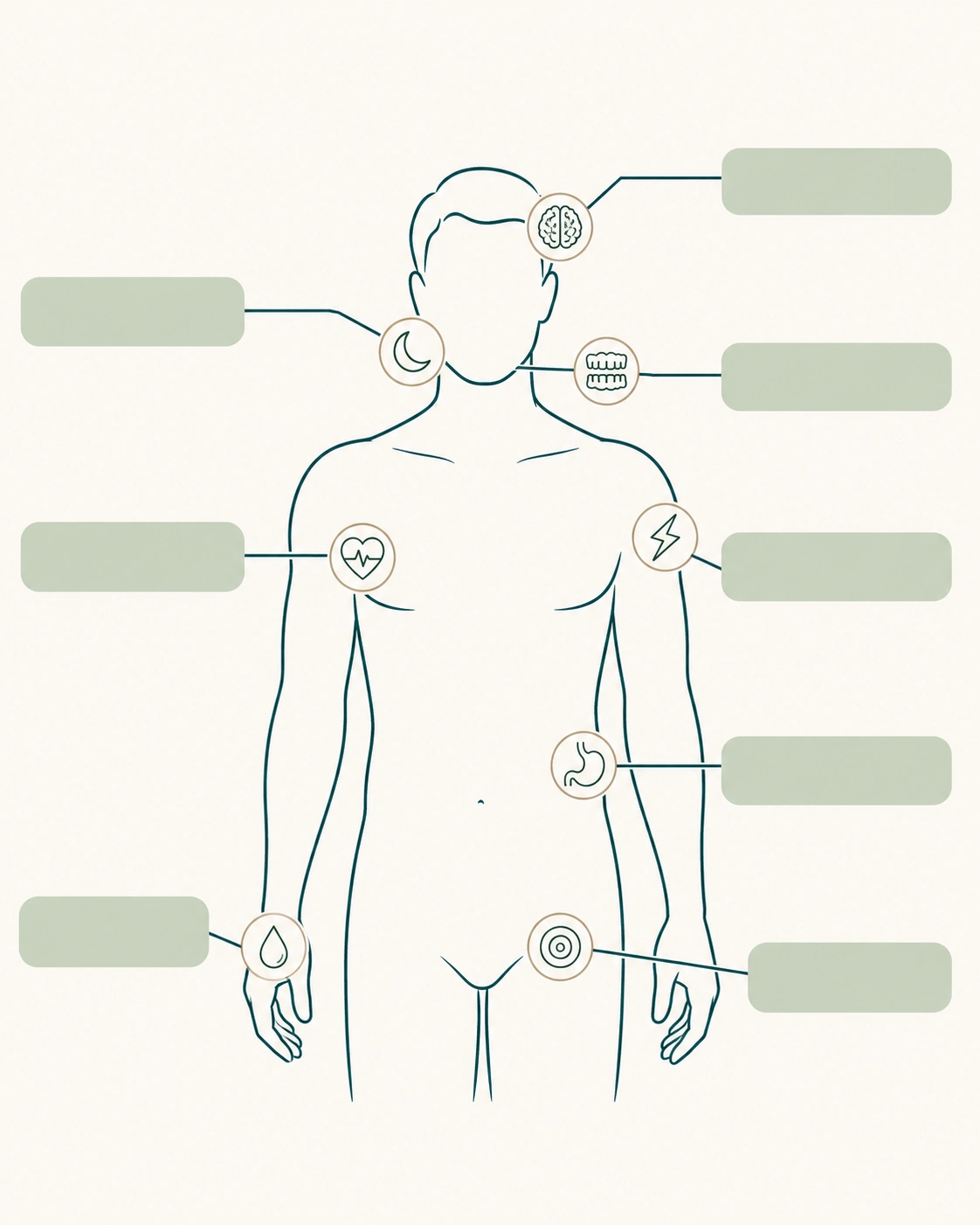
The signs of sympathetic overload, from head to gut. The mouth is often the first place a dentist sees it.
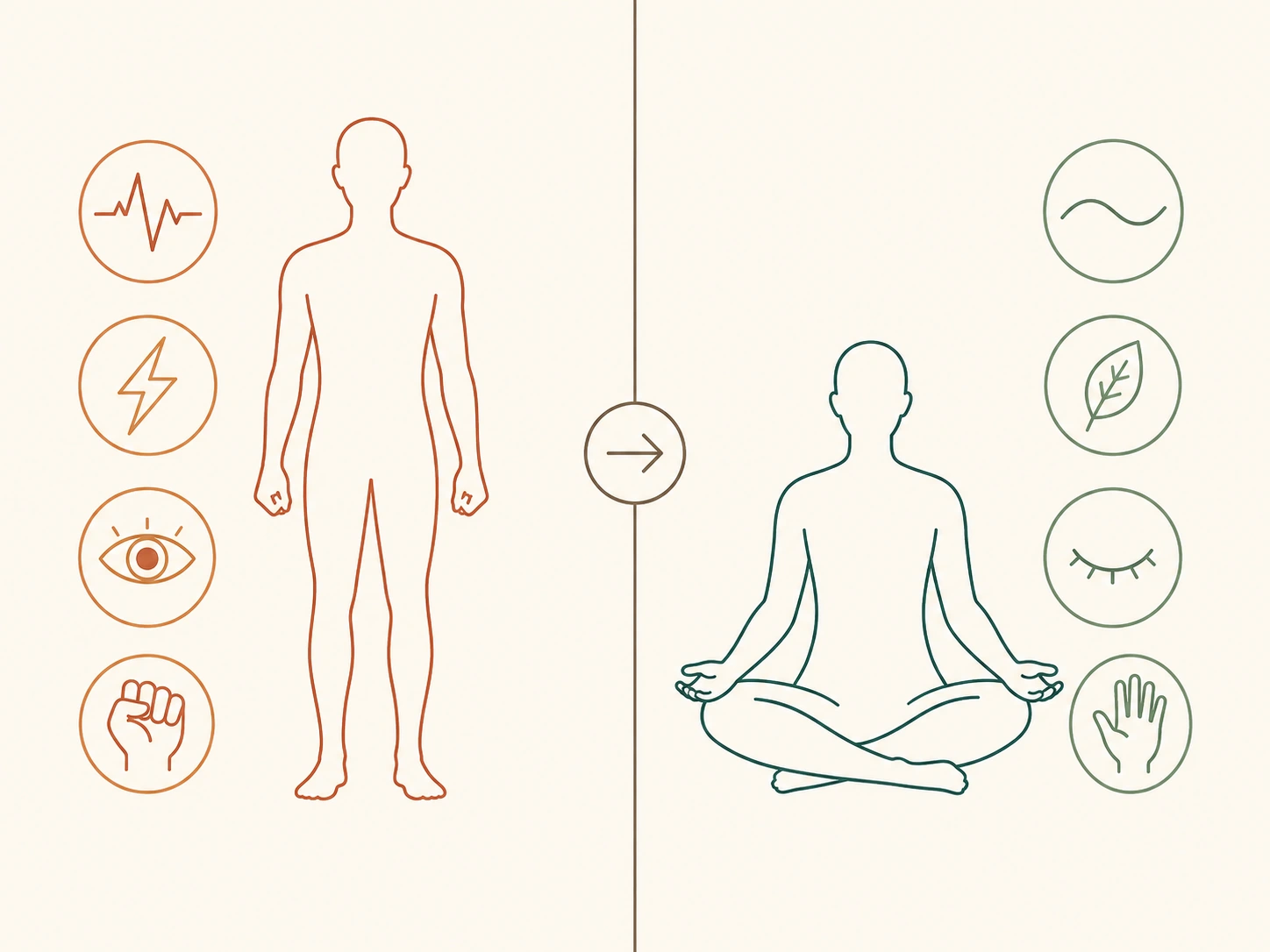
Two states, one nervous system. Health depends on being able to move between them.
Taking care of you – and your nervous system
To achieve harmony within your nervous systems, it’s important to recognise the signs of nervous system overactivity and take steps to create nervous system balance. By incorporating lifestyle changes such as deep breathing, grounding, and prioritising self-care, you can help regulate your autonomic nervous system, reducing hypertension and oxidative stress.
The activation of the ‘rest and relax’ nervous system through practices like diaphragmatic breathing can stimulate the vagus nerve, promoting relaxation and digestion. By focusing on slowing down and being mindful in everyday activities, you can reduce stress, better manage chronic inflammation, and maintain homeostasis within your body.
It’s important to remember everyone’s experience of stress and sympathetic overactivity may differ. Listening to your body and finding what works best for you is crucial to ensuring the nervous systems work together in harmony. By adopting these strategies, you can effectively manage nervous system overload, improve your heart rate and reduce high blood pressure, and enhance your overall well-being.
The post Overactive Sympathetic Nervous System: Signs, Causes and How to Calm It appeared first on Sydney Holistic Dental Centre.

No comments:
Post a Comment